


Yes, you can still make money blogging in 2026, but success requires the right strategy, a solid foundation, and an understanding of current monetization methods. Despite having over 600 million blogs on the internet, blogging remains a powerful way to generate real income online. Whether you want a side hustle or a full-time career, blogging offers one of the most accessible paths to earning money from home.
The key difference between bloggers who make money and those who don’t lies in choosing the right niche, building a genuine audience, and using proven monetization strategies. You’ll need to think beyond just writing posts whenever inspiration strikes. Success means treating your blog like a business from day one.
This guide walks you through everything from selecting a profitable niche to implementing the latest monetization techniques that work in today’s digital landscape. You’ll discover how to build an audience, drive traffic, and create multiple income streams that can generate consistent revenue over time.
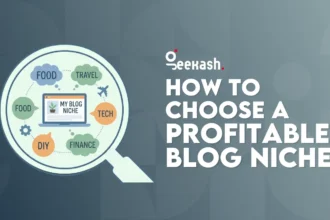
Choosing a Profitable Blog Niche
Your blog’s success depends heavily on picking the right niche that balances profit potential with your interests. The most profitable blog niches share common traits, such as high audience demand, strong monetization options, and manageable competition.
Understanding Niche Profitability
A profitable niche contains specific elements that drive revenue potential. Most profitable blog niches typically have large, active audiences searching for solutions to clear problems.
Profitability factors include:
Personal finance ranks as one of the most lucrative niches. People constantly search for budgeting tips, investing advice, and debt management strategies.
Travel blogs also generate substantial income through affiliate bookings and sponsored content. Fashion and beauty niches attract high-value brand partnerships.
Mental health and relationships niches are growing rapidly. More people seek guidance on wellness and personal connections.
Avoid these unprofitable characteristics:
Researching High-Demand Niches
Profitable blogging niches require thorough research before you commit. Use Google Trends to identify growing topics and seasonal patterns in your potential niche.
Research methods that work:
- Keyword research tools like Google Keyword Planner or Ubersuggest
- Social media groups where your audience gathers
- Amazon bestseller lists in related categories
- Competitor analysis of successful blogs
Look for niches with consistent monthly search volumes of 10,000 or more. Recipes and gardening show steady demand year-round.
Check if people spend money in your chosen niche. Investing and personal finance niches have audiences ready to purchase courses and tools.
Red flags to avoid:
Examine niche competition carefully. High competition isn’t always bad if the market is large enough.
Aligning Passion with Market Value
Your profitable blog niche must match your genuine interests and expertise. Choosing the right niche requires balancing what excites you with what pays well.
Ask yourself these questions:
The sweet spot exists where your passion meets market demand. If you love gardening and people search for gardening advice, you have a winner.
Consider your existing knowledge and skills. Former teachers excel in education niches. Fitness enthusiasts naturally gravitate toward health and wellness.
Test your niche commitment:
Don’t force yourself into highly profitable niches that bore you. Personal finance might be lucrative, but if numbers make you sleepy, choose differently.
Look for underserved angles within popular niches. Instead of general travel content, focus on budget travel for families or solo female travel safety.

Building and Growing Your Blog Audience
The right platform and strategic audience growth tactics directly impact your earning potential. Social proof and consistent promotion across multiple channels turn casual visitors into engaged readers who buy your products and click your affiliate links.
Selecting the Right Blogging Platform
Your blogging platform affects everything from SEO rankings to monetization options. The wrong choice can limit your income potential for years.
WordPress.org remains the top choice for serious bloggers. It offers complete control over your content and unlimited monetization options. You own your data and can install any plugins needed for affiliate marketing or selling digital products.
Shopify works best if you plan to sell physical products alongside your blog content. The built-in ecommerce features make it easy to add product pages and process payments.
Wix and Squarespace provide user-friendly drag-and-drop builders. However, they limit your monetization options and SEO capabilities compared to WordPress.
Key platform features to prioritize:
Establishing Authority and Social Proof
Building trust with your blog audience increases conversion rates on affiliate products and premium offerings. Readers buy from experts they trust.
Display your credentials prominently on your about page and author bio. Include relevant certifications, work experience, or achievements that relate to your blog topic.
Social proof indicators that work:
Create case studies showing real results you’ve achieved. If you’re a fitness blogger, share before-and-after photos. Business bloggers should highlight income increases or business growth.
Guest posting on established websites in your niche builds credibility. Each guest post introduces you to new audiences and positions you as an expert worth following.
Join industry Facebook groups and provide helpful answers to questions. Regular participation builds recognition and drives traffic back to your blog.
Effective Promotion and Audience Growth
Consistent promotion across multiple channels grows your audience size faster than relying on search traffic alone. Most successful bloggers use 3-5 promotion methods regularly.
Email marketing generates the highest ROI for bloggers. Start building your email list from day one with lead magnets like free guides or checklists.
Social media strategy should focus on 1-2 platforms where your target audience spends time. Share valuable tips, behind-the-scenes content, and blog post snippets.
Pinterest drives massive traffic for lifestyle, food, and DIY blogs. Create eye-catching pins that link back to your blog posts.
Effective promotion schedule:
Engage with comments on your blog posts within 24 hours. Quick responses encourage more discussion and show readers you value their input.
Collaborate with other bloggers in your niche through link exchanges, joint webinars, or social media takeovers. These partnerships expose you to established audiences.
Driving Organic and Social Traffic
Getting visitors to your blog without paying for ads requires a smart mix of search engine optimization and social media strategy. Quality content paired with the right keywords and consistent social sharing creates a steady stream of readers who can become paying customers.
SEO Best Practices for Bloggers
Search engine optimization forms the backbone of any profitable blog. When you rank higher in Google, more people find your content naturally.
Start with on-page SEO basics. Use your target keyword in your title, first paragraph, and at least one subheading. Keep titles under 60 characters so they don’t get cut off in search results.
Internal linking boosts your SEO power. Link to your other blog posts when relevant. This keeps readers on your site longer and helps search engines understand your content better.
Technical SEO matters too. Make sure your blog loads fast on mobile devices. Use short URLs and add alt text to all images. These small details add up to better rankings.
Create content that answers real questions people ask. Google rewards helpful content that solves problems. Write detailed posts that cover topics completely rather than surface-level content.
Keyword Research and Content Optimization
Finding the right keywords determines whether your blog gets found or stays hidden. Focus on long-tail keywords instead of broad terms that big sites already dominate.
Use free tools like Google’s autocomplete feature. Start typing your topic and see what suggestions appear. These are real searches people make every day.
Target keywords with buying intent for monetization. Words like “best,” “review,” “how to,” and “guide” often lead to purchases. Someone searching “best email marketing software 2026” is closer to buying than someone searching “email marketing.”
Match your content to search intent. If people search for “how to start a blog,” they want step-by-step instructions, not a sales pitch. Give them what they expect to find.
Optimize your content naturally. Use variations of your main keyword throughout the post. Don’t stuff keywords unnaturally – write for humans first, search engines second.
Leveraging Social Media Marketing
Social platforms drive immediate traffic and help build your audience over time. Each platform works differently, so tailor your approach to where your readers spend time.
Create platform-specific content. Turn blog posts into Instagram carousels, YouTube videos, or Twitter threads. One blog post can become multiple pieces of social content.
Join relevant Facebook groups and Reddit communities in your niche. Share helpful advice and link to your blog when it truly helps answer someone’s question. Avoid being spammy.
Pinterest works especially well for certain niches, such as food, travel, and lifestyle. Create eye-catching pins that link back to your blog posts. Many bloggers get significant traffic from Pinterest months after pinning.
Consistency beats perfection on social media. Post regularly rather than creating perfect content occasionally. Engage with comments and build relationships with other creators in your space.
Essential Monetization Strategies in 2026
The most successful bloggers in 2026 combine multiple income streams to build sustainable revenue. Successful bloggers earn $1,000-$50,000+ monthly by focusing on four core strategies that complement each other and create steady cash flow.
Affiliate Marketing Programs
Affiliate marketing remains the fastest way to generate income from your blog because you can start earning immediately without creating products. You earn commissions when readers purchase products through your unique affiliate links.
Amazon Associates offers the easiest entry point with instant approval and millions of products to promote. Commission rates range from 1-10% depending on product categories.
ShareASale and CJ Affiliate provide access to premium brands with higher commission rates. These networks offer 5-50% commissions on quality products your audience actually wants.
High-ticket affiliate programs in software, courses, and business tools can pay $100-1,000+ per sale. Focus on products you genuinely use and can recommend authentically.
Start by reviewing 3-5 products in your niche. Create detailed tutorials showing how you use specific tools. Build comparison charts highlighting the pros and cons of different products.
Track which affiliate programs generate the most affiliate income. Double down on promoting products that convert well for your specific audience.
Display Advertising Networks
Display ads create passive income that runs 24/7 once you set them up. You need consistent traffic to make meaningful money from ad networks.
Google AdSense accepts new bloggers with no minimum traffic requirements. Expect $3-8 per 1,000 page views while you build your audience.
Mediavine requires 50,000 monthly sessions but pays $12-20 per 1,000 views. Raptive needs 100,000 monthly page views and currently pays $15-25 per 1,000 views.
| Ad Network | Traffic Requirement | Average RPM |
|---|---|---|
| Google AdSense | None | $3-8 |
| Mediavine | 50k sessions/month | $12-20 |
| Raptive | 100k pageviews/month | $15-25 |
Place ads above the fold and between paragraphs for best performance. Monitor page loading speeds because slow sites hurt both SEO and ad revenue.
Creating and Selling Digital Products
Digital products offer the highest profit margins because you create them once and sell repeatedly. 45% of bloggers earning over $50,000 annually sell their own products.
Ebooks work well for beginner-friendly topics and typically sell for $20-50. Create step-by-step guides solving specific problems your audience faces.
Workbooks and printables appeal to action-oriented readers who want templates they can use immediately. Price these at $10-30, depending on complexity.
Premium content, such as in-depth courses, can command $200–$2,000+ per sale. Survey your audience to identify their biggest challenges before creating expensive products.
Start with simple lead magnets to test demand. Offer free PDF guides in exchange for email addresses. This builds your list while validating which topics resonate most.
Use your existing blog content as inspiration. Turn your most popular posts into expanded ebooks or course modules.
Sponsored Content and Brand Partnerships
Sponsored posts pay upfront fees regardless of conversions, making them excellent for predictable income. Brands pay $100-1,000+ per post, depending on your audience size and engagement.
Build relationships through Aspire and similar influencer platforms that connect bloggers with relevant brands. These platforms handle contracts and payments automatically.
Create a media kit showing your monthly traffic, email subscribers, and audience demographics. Include examples of previous sponsored content and your standard rates.
Charge $0.10-2.00 per monthly page view for sponsored posts. New bloggers start at the lower end, while established bloggers with engaged audiences command premium rates.
Always disclose sponsored content clearly to maintain trust and comply with FTC guidelines. Write authentic reviews mentioning both the benefits and limitations of products you promote.
Pitch specific content ideas rather than generic partnership requests. Show brands exactly how you’ll feature their products in ways that benefit your readers.
Offering Services and Additional Income Streams
Smart bloggers expand beyond traditional monetization by leveraging their expertise through services and creating multiple revenue streams. These methods often generate higher per-client income than ads or affiliate marketing while building stronger audience relationships.
Freelance Writing and Consulting
Your blog serves as a powerful portfolio that attracts clients who need your specific skills. Freelance services typically pay $50-200+ per hour compared to pennies per page view from ads.
Freelance writing opportunities emerge naturally from your blog content. Clients see your writing style and expertise, then hire you for similar projects.
Popular freelance services for bloggers include:
Consulting services command premium rates because you solve expensive business problems. Position yourself as the expert who helps others achieve results you’ve already accomplished.
Set your consulting rates based on client results, not hourly time. A $2,000 strategy session that helps a client earn $20,000 more annually is an easy decision for them.
Start by offering free 15-minute consultations to build testimonials. Then gradually increase your rates as demand grows and your reputation strengthens.
Selling Physical Products and Dropshipping
Physical products create tangible connections with your audience while generating substantial profit margins. Your blog traffic becomes a built-in customer base for products related to your niche.
Dropshipping eliminates inventory risks while letting you test product demand. You promote products through your blog, and suppliers handle shipping when orders come in.
Popular physical product ideas include:
Test products with small batches before major investments. Use your email list to gauge interest and collect pre-orders.
Partner with reliable suppliers who maintain quality standards. Poor product experiences damage your blog’s reputation and reader trust.
Price physical products at 3-5x your cost to cover marketing, shipping, and potential returns while maintaining healthy profit margins.
Memberships, Courses, and Premium Content
Online courses and membership communities create recurring revenue streams that scale without additional time investment per customer. These represent the highest-earning potential for established bloggers.
Courses typically cost $200–$2,000+ and teach specific skills your audience wants to learn. Create courses around your most popular blog topics and frequently asked questions.
Membership community models generate $10-100+ monthly per member for exclusive content, community access, and ongoing support.
Structure your offerings in tiers:
This generates passive income, as courses sell automatically while you sleep. Members pay monthly regardless of how much new content you create.
Focus on solving urgent, expensive problems your audience faces. A course that helps someone earn an extra $1,000 monthly easily justifies a $500 price tag.
These side hustles often become full-time blogging income streams that exceed traditional monetization methods by 10x or more.
Optimizing Monetization for Long-term Growth
Smart bloggers track their earnings and expand their income streams to build sustainable online business success. The most profitable blogs combine data-driven decisions with multiple revenue channels that work together.
Analyzing Performance and Scaling Revenue
Track your blog’s financial performance monthly to identify what works. Most successful bloggers earn between $1,000 and $50,000+ per month by monitoring their top revenue sources.
Focus on your highest-earning monetization strategies first. If affiliate marketing brings in 60% of your income, double down on that channel before exploring new options.
Key metrics to monitor:
Set up Google Analytics goals for each revenue channel. Track affiliate clicks, product sales, and email signups separately to see which content drives actual money.
Scale your best-performing content by creating similar posts. If your “best tools” roundup earns $500 monthly through affiliate commissions, write more comparison guides in your niche.
Reinvest earnings into your blogging career growth. Hire writers for content creation or invest in better hosting (like Cloudways) as your traffic increases.
Diversifying Income with Multiple Channels
Build at least three different income streams to protect your personal finance goals. Top-earning bloggers combine affiliate marketing, sponsored content, digital products, and ad revenue rather than relying on a single method.
Start with quick-win channels like affiliate marketing, then add longer-term options like digital products. This approach generates immediate cash flow while building assets for future growth.
Proven income channel combinations:
| Primary Channel | Secondary Channels | Monthly Potential |
|---|---|---|
| Affiliate marketing | Display ads + email marketing | $1,000-$5,000 |
| Digital products | Affiliate marketing + consulting | $2,000-$15,000 |
| Sponsored content | Affiliate marketing + courses | $3,000-$20,000 |
Test new monetization strategies during your peak traffic months. Launch courses during busy seasons and experiment with membership sites when engagement is high.
Balance immediate income with long-term wealth building. Affiliate commissions pay quickly, but your own products create lasting value for your blogging business.
Emerging Trends and Technologies in Blogging
The blogging landscape is transforming through artificial intelligence tools and evolving platform algorithms that directly impact how bloggers generate revenue. AI-driven content creation and voice search optimization are reshaping content strategies while algorithm changes require constant adaptation.
Utilizing New Digital Tools and AI
AI tools are revolutionizing how you create and optimize blog content for monetization. These technologies handle time-consuming tasks like keyword research, content optimization, and social media scheduling.
Content Creation Tools:
Interactive and multimedia-enhanced content drives higher engagement rates. You can integrate quizzes, polls, and downloadable resources to increase time on page and improve SEO performance.
Voice search optimization requires different keyword strategies. Focus on conversational, long-tail keywords that match how people speak to smart devices.
Digital marketing automation tools help you scale your monetization efforts. Email sequences, social media posting, and affiliate link management become more efficient with the right technology stack.
Adapting to Changing Algorithms and Platforms
Search engine and social media algorithms constantly evolve, affecting your blog’s visibility and revenue potential. You need to monitor these changes and adjust your content strategy accordingly.
Key Algorithm Factors:
Voice search patterns require longer, conversational keywords rather than short phrases. Structure your content in question-and-answer formats to capture featured snippets.
Platform diversification protects your income streams. Don’t rely solely on Google traffic or on a single social media platform for blog promotion and monetization.
Algorithm updates can impact affiliate marketing and ad revenue overnight. Build email lists and direct traffic sources to maintain consistent income regardless of algorithm changes.
In Summary
Making money blogging in 2026 requires a clear plan and consistent effort. You need to pick a good niche that people care about.
You should focus on one income method first. Then add more as your blog grows. Building an audience takes time. Most bloggers need 6-12 months to see real income.
Your success depends on helping your readers. When you solve their problems, they trust you more. This trust leads to sales. Starting a profitable blog is still possible in 2026. The key is patience and staying focused on your audience’s needs.
Track your progress with simple metrics. Watch your traffic, email subscribers, and monthly income. These numbers show if your plan is working.
Frequently Asked Questions
New bloggers need clear guidance on monetization strategies, profitable niches, and traffic generation methods. Understanding affiliate marketing trends, SEO requirements, and sponsored content opportunities helps create sustainable income streams.
What are the first steps to monetize a new blog in 2026?
You need to establish your foundation before pursuing income streams. Focus on creating 20-30 high-quality posts in your chosen niche first.
Set up Google Analytics and Google Search Console to track your performance. These tools show you which content performs best and where your traffic comes from.
Apply for affiliate programs relevant to your niche once you have consistent content. Many programs accept new bloggers with quality content and a clear audience focus.
Create an email list from day one using a service like ConvertKit or Mailchimp. Email subscribers convert better than social media followers for most monetization methods.
Which blogging niches are the most profitable in 2026?
Personal finance and investing blogs generate high affiliate commissions and course sales. Credit cards, investment platforms, and budgeting tools offer substantial payouts.
Health and wellness niches perform well with supplement sales and fitness programs. Mental health, nutrition, and home workouts see strong engagement and purchase rates.
Technology reviews and software tutorials attract high-paying affiliate partnerships. Business software, web hosting, and digital tools provide recurring commission opportunities.
Home improvement and DIY content connect well with tool and material sales. These niches often combine affiliate income with sponsored content from major retailers.
What strategies are effective for driving traffic to a blog in 2026?
SEO remains the most sustainable traffic source for long-term growth. Focus on keyword research and quality content creation to rank in search results.
Pinterest drives significant traffic to lifestyle, food, and DIY blogs. Create vertical pins with clear text overlays and link them to your best content.
YouTube integration expands your reach beyond written content. Embed videos in blog posts and link back to detailed written guides.
Guest posting on established blogs in your niche builds backlinks and authority. Pitch unique angles to sites with audiences that match your target readers.
Email marketing drives repeat visitors and higher conversion rates. Send weekly newsletters featuring your latest posts and exclusive content.
How do affiliate marketing trends in 2026 affect blog monetization?
Disclosure requirements have become stricter across all platforms. You must clearly mark affiliate links at the top of posts and in social media captions.
Consumers prefer authentic recommendations over obvious sales pitches. Focus on products you actually use and provide detailed, honest reviews.
Commission structures favor longer-term partnerships over one-time promotions. Build relationships with brands that align with your audience’s interests.
Cookie durations are shorter due to privacy regulations. You need to capture conversions quickly after clicks through compelling calls to action.
What role does SEO play in making money from blogging in 2026?
Search engine traffic converts better than social media traffic for most monetization methods. People searching for solutions are ready to buy products or services.
Long-tail keywords attract fewer competitors and more targeted readers. Target phrases like “best budget meal prep containers under $50” instead of “meal prep.”
Featured snippets and zero-click searches require new optimization strategies. Structure content with clear headings and numbered lists to capture these positions.
Core Web Vitals affect your search rankings and user experience. Fast-loading pages keep readers engaged and improve conversion rates for affiliate links.
Local SEO opportunities exist for bloggers in specific geographic areas. Food bloggers can target content on “best restaurants in [city]”.
How can a blogger consistently earn from sponsored content in 2026?
Media kits showcase your statistics and audience demographics to potential sponsors. Include monthly page views, email subscribers, and social media followers with engagement rates.
Rate cards establish clear pricing for different types of sponsored content. Charge based on your traffic, engagement, and the time required for content creation.
FTC compliance requires clear disclosure of all paid partnerships. Use #ad hashtags and “sponsored by” language that meets current legal requirements.
Brand alignment protects your audience’s trust and long-term earning potential. Only promote products that fit your niche and provide real value to readers.
Long-term partnerships generate more income than one-off sponsored posts. Brands pay premium rates for ongoing relationships with proven content creators.